
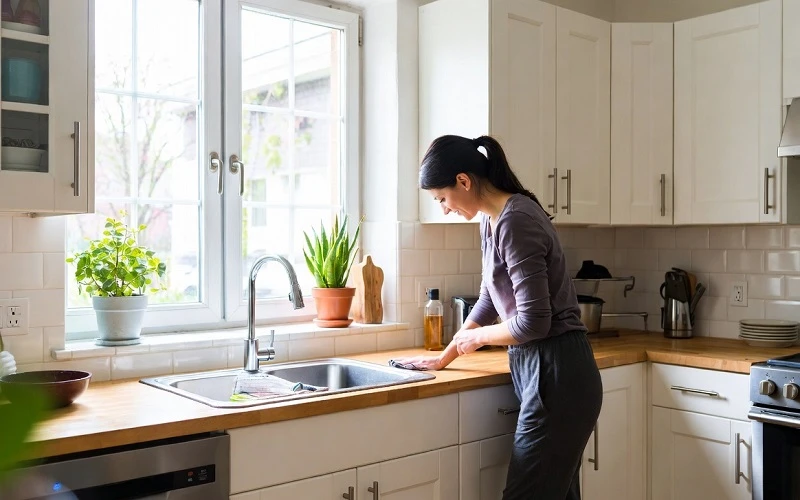
You see the same mess every night: dishes in the sink, laundry on the chair, and dust back on the table you just wiped. People search getwhocares.com around the house because they want a short system they can keep, not a weekend deep-clean they drop after one try.
I’m Mr. Kaif. This getwhocares.com around guide is for busy homes. Use small daily and weekly habits so small problems do not turn into expensive ones.
Why short routines beat one big clean
Most people wait for a free Saturday. By then the house feels heavier than it needed to.
A dryer that takes too long often has a lint-packed vent. A slow drip under the sink can damage cabinets. Getwhocares.com around the house advice starts with prevention because it costs less time than catching up later.
Do the jobs that stop the next mess. Leave the rare deep-clean for later.
Daily habits that make getwhocares.com around the house stick
Pick three actions. Do them every day. They should take less than 15 minutes.
- Wipe kitchen counters and the stovetop after cooking. Food hardens fast and draws pests.
- Make the bed and clear the bathroom sink before you leave the room.
- Empty trash and recycling before the bags hit halfway.
After two weeks, most homes feel lighter without a full cleaning day. That is the point of getwhocares.com around advice: less pile-up, not more products.
Weekly checks that stop small issues
Set a 15-minute timer once a week and walk the main rooms.
Kitchen
Run a handful of ice and a little dish soap through the disposal. Pull the dishwasher filter, rinse it, and put it back. Cloudy glasses often start with a skipped filter.
Bathrooms
Spray shower walls with equal parts vinegar and water. Let it sit while you clean the toilet, then wipe. Change hand towels and bath mats. Damp fabric holds odor.
Floors
Vacuum paths and rug edges first. Crumbs and pet hair collect there before they spread.
One household I have seen use this weekly pass cut weekend cleaning from a long slog to under 90 minutes.
Seasonal tasks worth doing
Spring and fall give the most return.
Spring
Check the dryer vent hose. If you can pull it off, shake out lint and vacuum the opening. This helps the dryer run better and can lower fire risk. Check outdoor faucets for drips. Open windows for 20 minutes when you can. Fresh air lowers humidity.
Fall
Clear gutters and downspouts so leaves do not push water toward the foundation. Test smoke and carbon-monoxide detectors and replace batteries. Reverse ceiling fans so they push warm air down.
After the first hard freeze, walk the outside of the house. Look for small cracks near the foundation or gaps around pipes. Seal them early with exterior caulk so water does not widen them later.
If a job needs a tall ladder, a gas line, or electrical work, call a qualified person. This page is practical home guidance, not a substitute for a licensed repair.
Tools that earn their space
You do not need a full closet of gadgets.
- Microfiber cloths for dust and counters
- Distilled white vinegar and baking soda for drains, glass, and ovens
- An extendable duster for fans and cabinet tops
- Silicone caulk for small gaps
- A simple moisture meter if wood floors or walls worry you
Single-use sprays cost more and often leave film. Getwhocares.com around the house tools should be things you reuse.
Get the household involved
Chores fall apart when nobody owns a zone. Give each person one area for the week: counters, floors, or bathroom sinks. Set a 10-minute timer. When it ends, everyone stops.
A whiteboard with simple checks works better than reminders. Visible progress beats arguments.
Build a list you will follow
Write your own list once. Keep it on the fridge or in your phone. Review it on Sunday for five minutes.
Test one new habit for two weeks. Keep it if it sticks. Drop it if it feels forced.
Getwhocares.com around the house works when you treat it as a living list, not a one-time read.
Related pages
- Gaming: getwhocares.com for gamers
- Tech: getwhocares.com tech
- Entertainment: getwhocares.com entertainment
Conclusion
Getwhocares.com around the house is a short system: three daily habits, one weekly walk-through, and a few seasonal checks.
Start today. Choose one daily habit and one weekly task. Do them without waiting for a free weekend.
— Mr. Kaif